


Boise Construction Accident Lawyer
Trial-ready representation for serious construction site injury claims.


A Reputation Built on Real Results
Legal Help for Construction Accident Victims in Boise, ID
Fifteen of Idaho's 45 workplace deaths in 2024 were in construction and extraction occupations, a 67% increase over the prior year, according to the 2024 Idaho Census of Fatal Occupational Injuries. Workers' compensation covers medical bills and a portion of lost wages. It does not cover pain and suffering or full income loss. It also does not reach other companies whose negligence contributed to the accident, such as an equipment manufacturer or an independent contractor working on the site.
At the Law Offices of Matthew G. Gunn, our Boise personal injury attorney reviews construction accident cases for both tracks, including what the workers' compensation file shows and who else may bear civil liability. These cases get direct attorney attention from the first call.
Workers' compensation may cover medical care and a portion of lost wages, but Idaho Code § 72-223 preserves the right to pursue a separate civil claim against any third party whose negligence contributed to the injury. Construction accident attorneys in Boise look at both sides of that picture.
Types of Idaho Construction Accidents We Handle
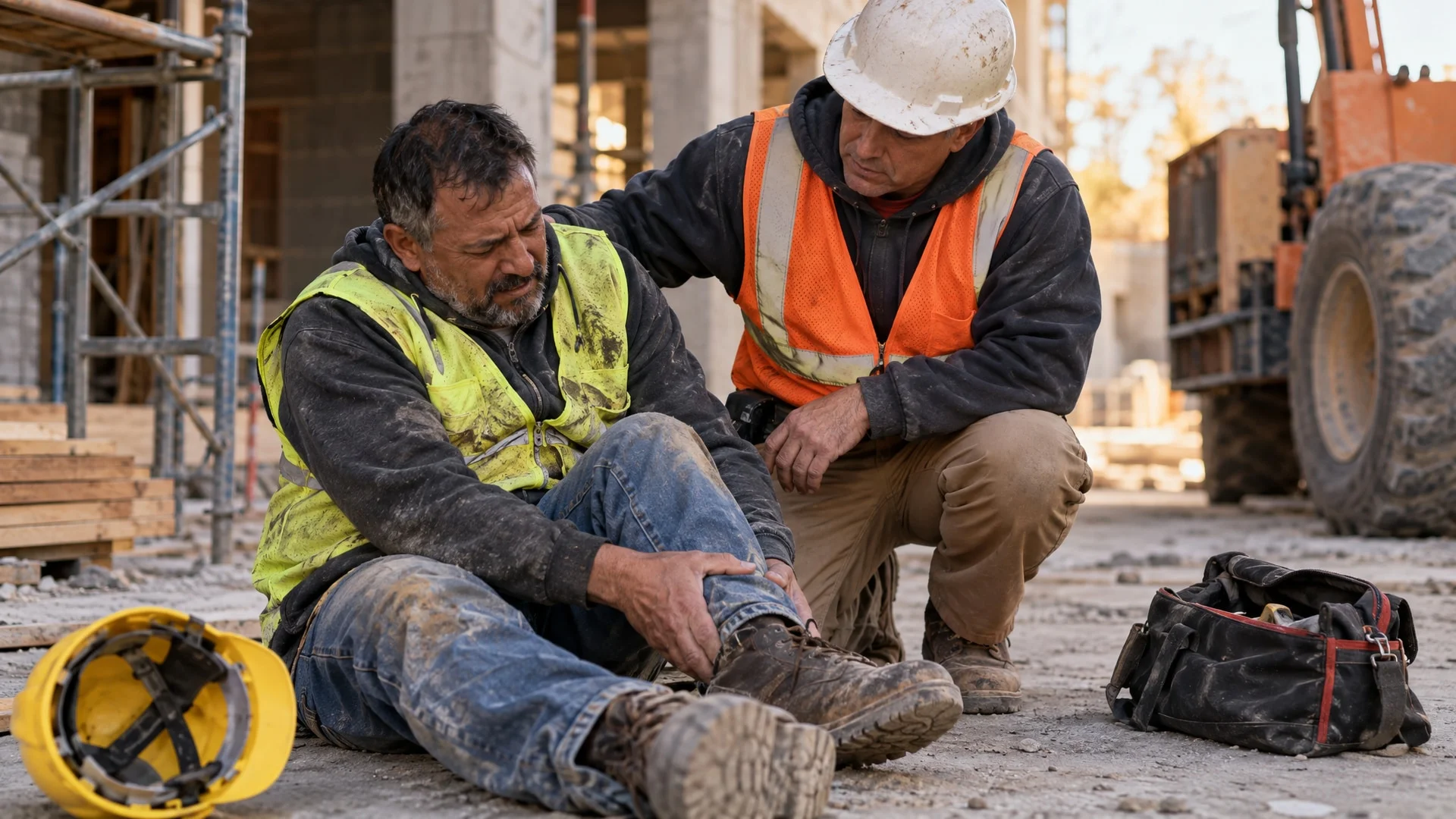
Construction accidents follow recognizable patterns. OSHA's Focus Four (falls, struck-by, caught-in/between, and electrocutions) accounts for the majority of serious and fatal construction injuries each year. Our construction accident attorney in Boise, ID, reviews the construction project details and the circumstances surrounding the incident to determine where the failure occurred and who is responsible.
- Falls from heights: Roof falls, scaffolding failures, ladder collapses, and unprotected edges are the primary cause of construction fatalities nationally, often tied to missing guardrails or violations of 29 CFR 1926 Subpart M.
- Struck-by injuries: Workers struck by falling tools, swinging loads, or backing vehicles can suffer skull fractures, amputations, or internal bleeding within seconds.
- Caught-in and caught-between incidents: Trench cave-ins, unguarded machinery, and pinning equipment produce severe crush and amputation injuries, often tied to violations of 29 CFR 1926 Subpart P.
- Electrocution and arc flash injuries: Contact with live wires, overhead lines, or ungrounded equipment can cause cardiac arrest, severe burns, and permanent nerve damage.
- Crane, forklift, and heavy equipment accidents: Operator error, mechanical failure, or unsafe lift planning can turn a routine pick into a fatal incident.
- Scaffolding and ladder collapses: Wrong assembly, missing planks, or overloading can combine to produce falls compounded by crush injuries from the collapsing structure.
- Burns, fires, and explosions: Welding accidents, gas line strikes, and chemical exposures can cause severe burns, lung injuries, and disfigurement.
- Repetitive trauma and toxic exposure: Long-term exposure to silica dust, asbestos, or solvents can leave workers with respiratory disease, chronic pain, or permanent disability.
The Medical and Financial Consequences of Construction Accidents
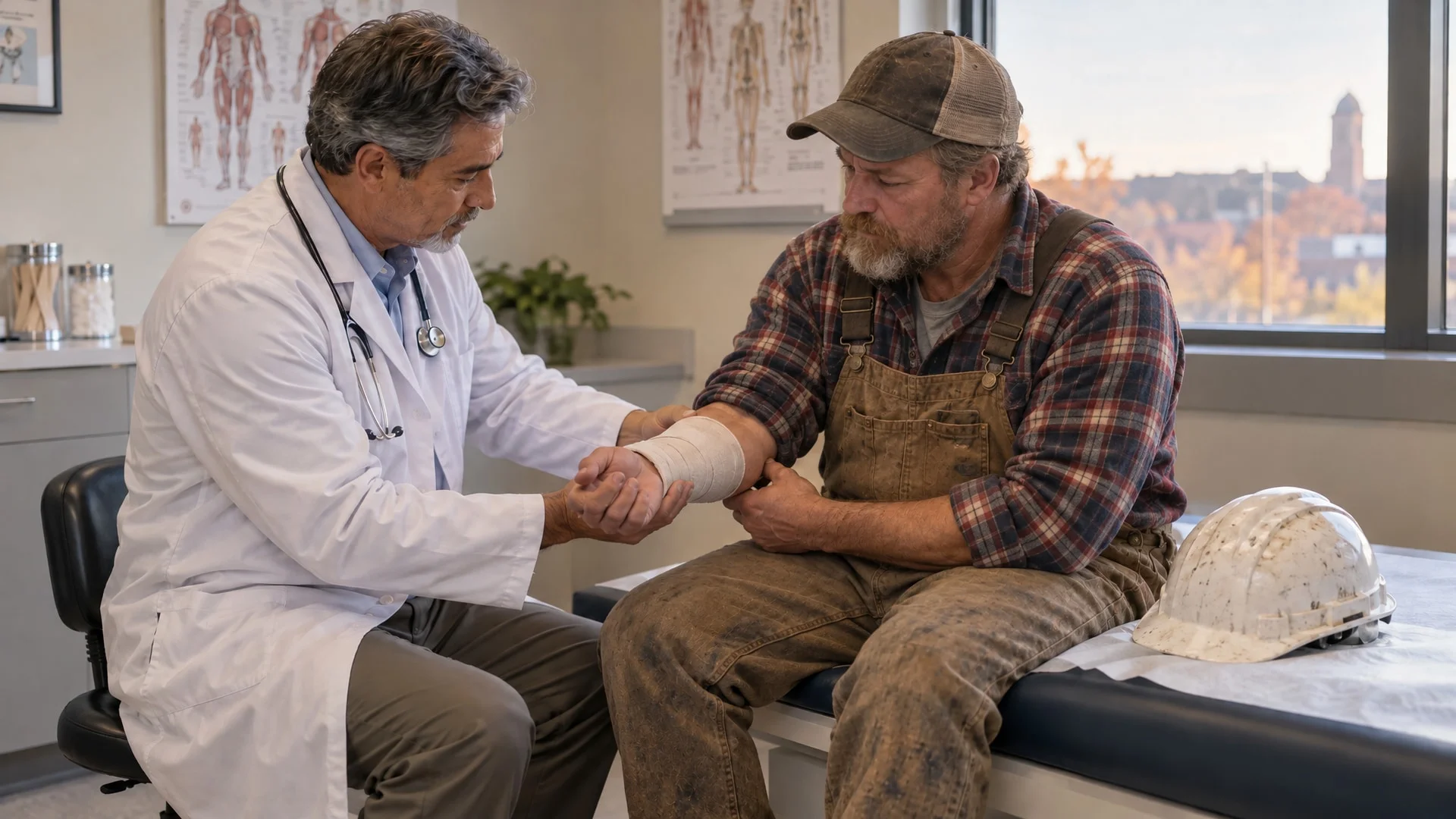
A serious construction injury can change a worker's life and a family's financial future at once.
- Traumatic brain injuries: Memory loss, cognitive impairment, seizures, and personality changes can follow a head strike or a fall from height.
- Spinal cord injuries and paralysis: Damage to the spinal column may cause partial or complete paralysis and the need for lifelong adaptive care.
- Amputations and crush injuries: Lost limbs, severe tissue damage, and reconstructive surgeries often follow heavy equipment incidents.
- Severe burns and disfigurement: Electrical, chemical, and fire-related burns may require skin grafts, repeated surgeries, and long rehabilitation.
- Broken bones and orthopedic injuries: Fractures from falls or strikes can leave workers unable to return to physically demanding work.
- Internal organ damage: Blunt force trauma may cause internal bleeding, organ failure, or long-term medical needs.
- Respiratory and chemical exposure illnesses: Silica exposure, asbestos contact, and chemical inhalation can cause chronic disease that develops years after the work ended.
- Wrongful death: When a construction worker does not survive, surviving family members may have grounds for a wrongful death claim.
When these consequences are severe, our Boise construction accident lawyer can help injured workers and families decide what claims to bring and against whom.
Parties That May Be Liable for a Boise Construction Accident
A Boise construction site usually involves several companies. Idaho’s workers’ compensation law shields some of them from a civil lawsuit, including, in many cases, a general contractor or project owner that qualifies as a ‘statutory employer.’ Others may still be liable, depending on their role in the project:
- General contractors: May share responsibility for site safety, but are often protected from suit as statutory employers when the injured worker’s employer is their insured subcontractor. Whether that protection applies depends on the facts.
- Subcontractors: Liable when their crew, equipment, or work practices created the hazard.
- Property owners: Often protected when they own or operate the business carried on at the site; in other situations, an owner that retains control or hides known hazards may be liable.
- Architects and engineers: Design defects, unsafe specifications, or site-planning failures can support a claim.
- Equipment manufacturers: A defective crane, ladder, scaffold, or power tool can trigger product liability.
- Maintenance and repair contractors: Fault may follow when inspection or service failures contributed to the accident.
- Trucking companies and drivers: Negligent delivery, dump truck, or haul drivers may bring employer liability.
- Utility companies: Power, gas, and other providers may be liable in electrocution, explosion, or line-strike incidents involving misidentified or improperly marked lines.
Workers' Compensation vs. Third-Party Construction Accident Claims in Idaho

Most Idaho construction workers qualify for workers' compensation through the Idaho Industrial Commission. The system covers medical care and a portion of lost wages without proof of fault, but it does not include pain and suffering or full lost income.
Idaho Code § 72-223 preserves the worker’s right to bring a separate civil claim against a negligent third party. Not every company on the site counts as a third party, though. A general contractor that qualifies as a statutory employer, and in some situations the property owner, is generally limited to workers’ compensation liability. Third parties can include an equipment manufacturer, an independent contractor whose crew created the hazard, a utility, or a delivery driver’s employer. Sorting out who qualifies is often the first question in a construction injury case.
The two claims often run in parallel:
- Workers' compensation: Medical bills and partial wages; fault doesn’t come into play, but recovery is limited.
- Third-party civil claim: Broader damages under Idaho personal injury law, including pain and suffering, full lost earnings, and loss of consortium.
Under § 72-223, the workers’ compensation carrier may claim reimbursement from the third-party recovery for benefits it has already paid. Under Idaho Supreme Court precedent, an employer whose own negligence contributed to the injury loses that subrogation right, which is one reason construction injury cases require careful coordination from the start.
Idaho Deadlines and Rules That Can Affect Your Construction Accident Claim
Several Idaho rules shape the timing and value of a construction accident case.
- Two-year filing deadline: Idaho Code § 5-219 generally gives injured workers two years from the date of injury to file a personal injury lawsuit. For a wrongful death claim, the two years generally run from the date of death.
- Modified comparative negligence: Under Idaho Code § 6-801, a worker who was partly at fault can still recover from a defendant whose share of fault is greater than the worker’s, but the award is reduced by the worker’s percentage of fault. Idaho compares the worker’s fault with each defendant separately, not with all defendants combined.
- Cap on non-economic damages: Idaho Code § 6-1603 limits pain and suffering damages. The cap, effective July 1, 2026, is $538,425.04 and adjusts every July 1. Medical bills and lost wages are not capped.
- Workers' compensation notice: Idaho Code § 72-701 requires notice of the accident to the employer as soon as practicable and no later than 60 days after it happens, and a claim for compensation within one year.
- Public defendant deadlines: When a public entity is involved, the Idaho Tort Claims Act requires notice within 180 days, well ahead of the general two-year deadline.
Missing any of these deadlines can bar recovery entirely.
What to Do If You've Been Injured on a Boise Construction Site
The steps you take after a construction accident can affect both your recovery and the strength of any later claim.
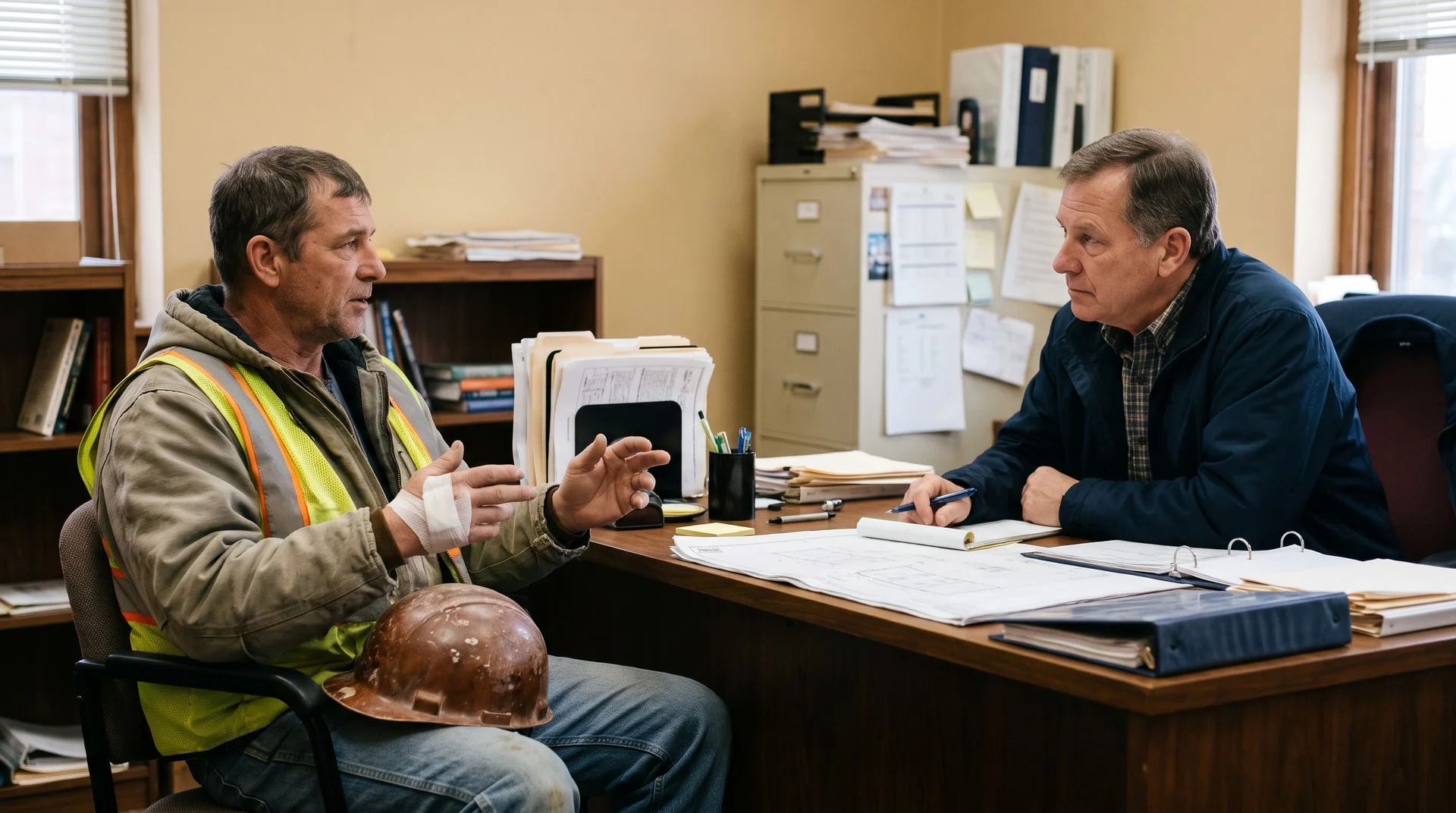
Report the Accident to Your Employer in Writing
Idaho law requires you to notify your employer as soon as practicable, and no later than 60 days after the accident.
Get Prompt Medical Care
See a doctor as soon as possible. Head trauma, internal bleeding, and soft-tissue injuries often worsen over days, and consistent treatment produces the medical record a serious claim depends on.
Preserve Evidence from the Site
Photograph the scene, equipment, and surrounding conditions if you can do so safely. Save work boots, harness, and hard hat exactly as they were. Witness names matter just as much.
Be Careful with Insurance Statements
The workers' compensation insurer, general contractor's insurer, and equipment manufacturers may all reach out early. A recorded statement made before the medical picture is clear can create later problems.
Talk to a Boise Construction Accident Lawyer Before Signing Anything
Settlement offers and releases often arrive before the full extent of the injury is known. A brief legal review can compare the offer to the claim's actual value and identify any other parties who may share liability.


Idaho's Filing Deadlines Move Faster Than You Expect
- Request a Free Case Evaluation
- 208-472-8834Available 24/7
Why Choose the Law Offices of Matthew G. Gunn
The attorney you choose to handle a serious construction injury case affects both the strategy and the outcome. Here's why the Law Offices of Matthew G. Gunn stands apart for these matters.
-
Our Boise construction accident lawyer personally handles cases rather than passing clients to a case manager.
-
Each case is prepared with litigation in mind when the facts support it, strengthening our position in negotiation and in court.
-
Rather than high-volume claims, our firm concentrates on catastrophic injuries, permanent disability, and wrongful death.
-
A construction injury case requires careful review of site evidence, regulatory standards, contracts between the parties, and the medical record.
Meet Matthew G. Gunn
Matthew G. Gunn is a trial lawyer who represents injured workers and families in serious construction accident and catastrophic injury cases. Mr. Gunn founded the Law Offices of Matthew G. Gunn in 2022 and built his practice around high-stakes litigation for people facing severe injuries caused by negligence.
Clients work directly with Mr. Gunn from consultation through resolution. That direct involvement matters in construction cases, where the facts are often technical, multiple parties are usually involved, and the workers' compensation carrier is already moving on its own track.



Feedback from Our Clients
- 2710 Sunrise Rim Rd,
Ste.100, Boise, ID 83705 - 208-472-8834Available 24/7
Serving Boise and Treasure Valley
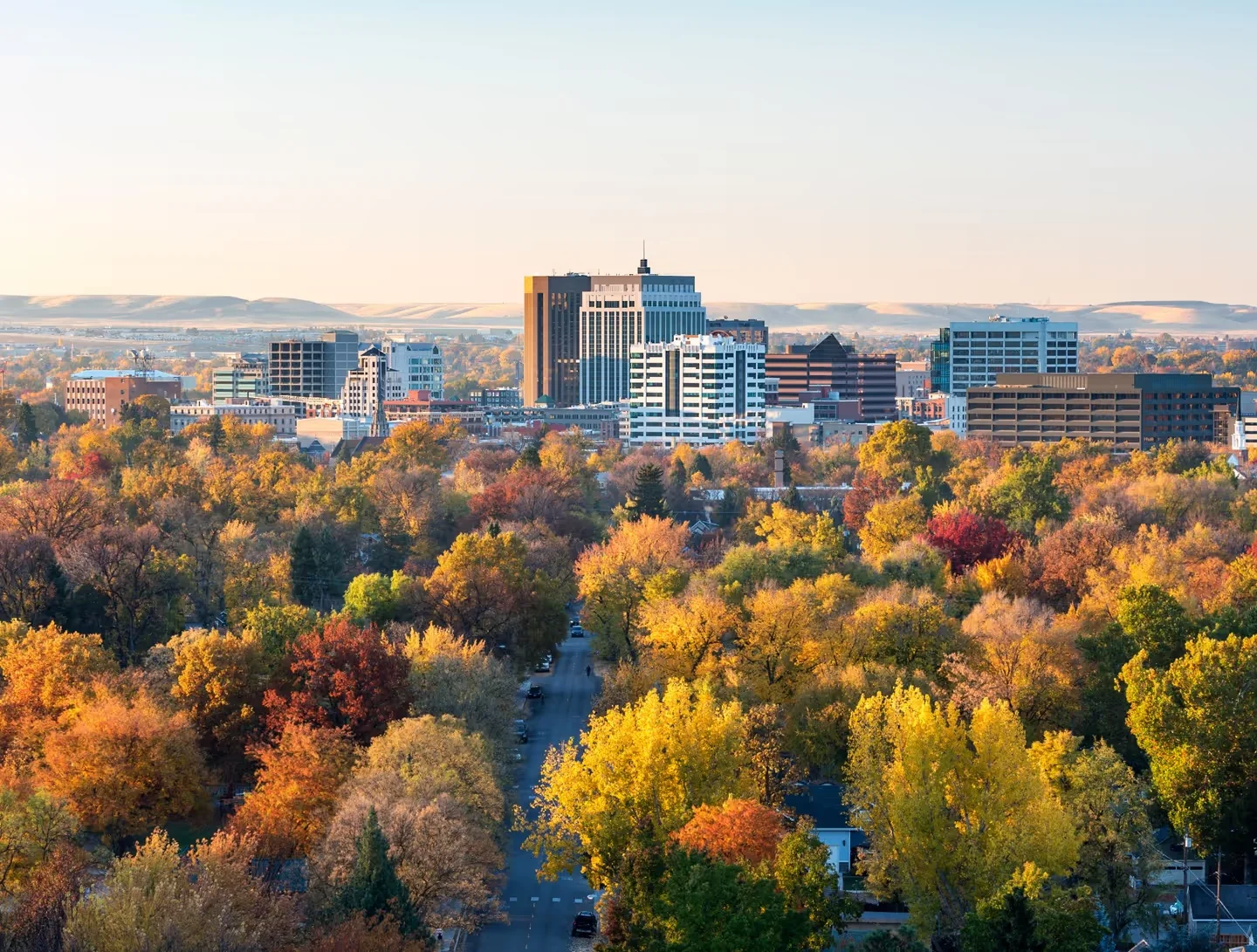
The Law Offices of Matthew G. Gunn serves Boise and the larger Treasure Valley area, including Meridian, Nampa, and Caldwell, as well as communities in Ada and Canyon Counties.

Take the Next Step After a Construction Site Injury
Bring your construction injury case to a Boise construction accident lawyer who can assess what the evidence supports under Idaho law: a workers' compensation claim, a third-party civil claim, or both.