


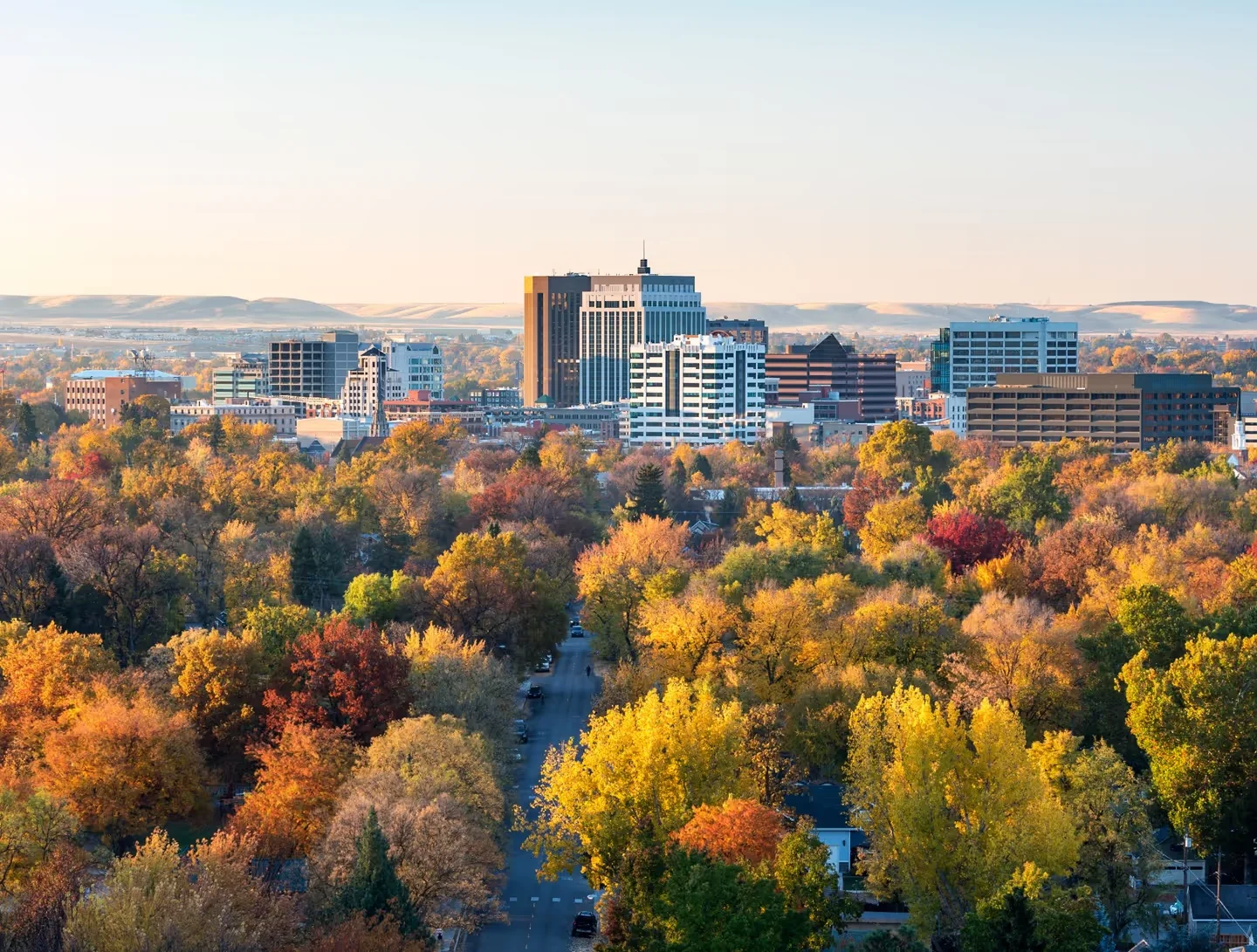

Train Accident Lawyer in Boise
Trial-ready help for serious rail injury claims.


Legal Help for Train Accident Claims in Boise
Railroad injury claims often involve far more than the point of impact. Our train accident lawyer in Boise, ID, may need to examine crossing design, warning devices, maintenance history, train crew conduct, dispatch records, sight distance, and whether multiple parties contributed to the collision. These cases can become complex quickly when the railroad company, insurers, contractors, or public entities begin building their defense soon after the incident.
At the Law Offices of Matthew G. Gunn, we handle serious train accident cases with direct attorney involvement, a selective caseload, and close attention to the evidence that can shape liability, damages, and case strategy. Our Boise personal injury attorney focuses on catastrophic injury matters that require careful development, clear communication, and trial-ready preparation when severe injuries, disputed facts, and major financial losses are at issue.
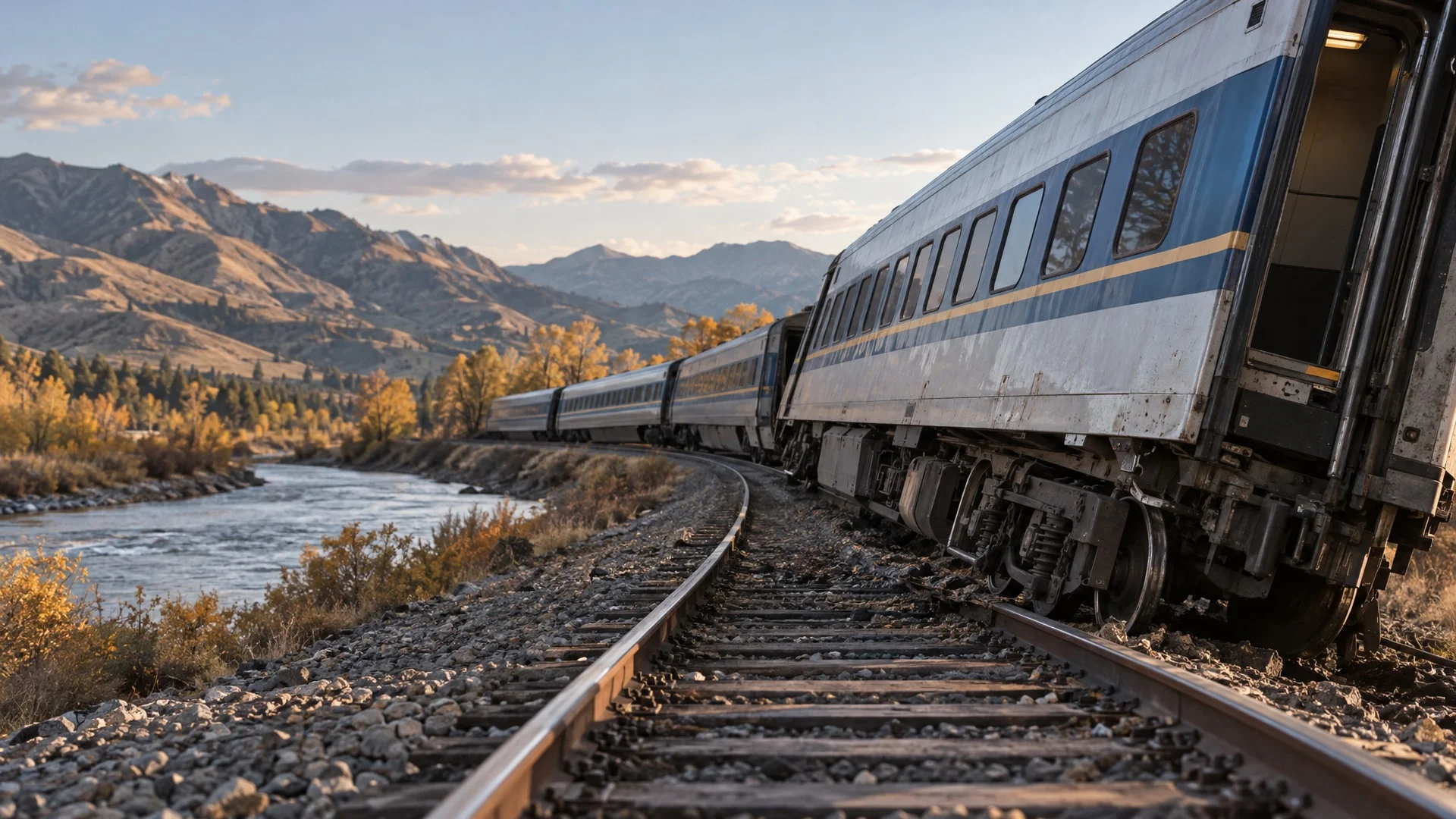
Idaho Train Accident Statistics and Rail Safety Concerns
Rail safety remains a serious issue in Idaho. The Idaho Transportation Department reports that the state has more than 1,300 public rail-highway crossings, and safety funding continues to support improvements such as gates, warning lights, and grade separation projects. That matters in Boise and throughout the Treasure Valley because train collisions can involve drivers, truck operators, bicyclists, and pedestrians at crossings used every day.
Even a single crossing failure can have catastrophic consequences. Idaho law also gives these cases clear legal significance: Idaho Code § 49-649 addresses conduct at railroad grade crossings, Idaho Code § 5-219 sets the general filing deadline for personal injury claims, and Idaho Code § 5-311 governs wrongful death actions. These laws show that train accident claims involve both public safety concerns and real legal rights under Idaho law.
Common Reasons Train Accidents Happen
Train accident cases often involve more than one contributing factor. What looks simple at first may become a dispute over warning systems, crossing conditions, maintenance records, or the conduct of multiple parties. Idaho’s comparative negligence law can also affect recovery when fault is disputed, which is one reason early investigation matters.
Idaho crash reporting shows that train collisions still cause fatal injuries in the state. In April 2024, Idaho State Police reported a fatal vehicle-versus-train crash near Notus in Canyon County. That's why Boise train accident lawyers often move quickly to secure witness statements, physical evidence, and the accident report.
Rail Accident Types We Handle
Train injury cases can arise in several ways, and the legal issues often depend on how the collision happened and who may be responsible.
- Crossing collisions with cars and trucks: These cases often involve disputes over warning devices, visibility, train speed, driver conduct, and crossing design.
- Pedestrian train accidents: Claims may arise when a person is struck near a crossing, along the tracks, or in an area with limited warnings or unsafe conditions.
- Bicycle accidents at rail crossings: These cases can involve crossing surface defects, poor maintenance, limited visibility, or failures tied to warning systems.
- Train derailments: Derailment claims may involve equipment failure, track defects, inspection issues, maintenance failures, or operator error.
- Passenger rail injury cases: Injuries to passengers can result from sudden impacts, unsafe boarding conditions, derailments, or other rail-related incidents.
- Blocked-crossing secondary accidents: Some claims involve collisions or injuries that occur because a blocked crossing creates dangerous traffic conditions or delays emergency response.
- Wrongful death claims: Fatal train accidents can support claims for the losses suffered by surviving family members under Idaho law.
- Cases involving multiple liable parties: A rail accident may require investigation of the railroad company, contractors, public entities, equipment manufacturers, or other negligent parties.
Early investigation by Boise train accident attorneys can make a major difference in identifying liability and preserving the evidence that supports the claim.
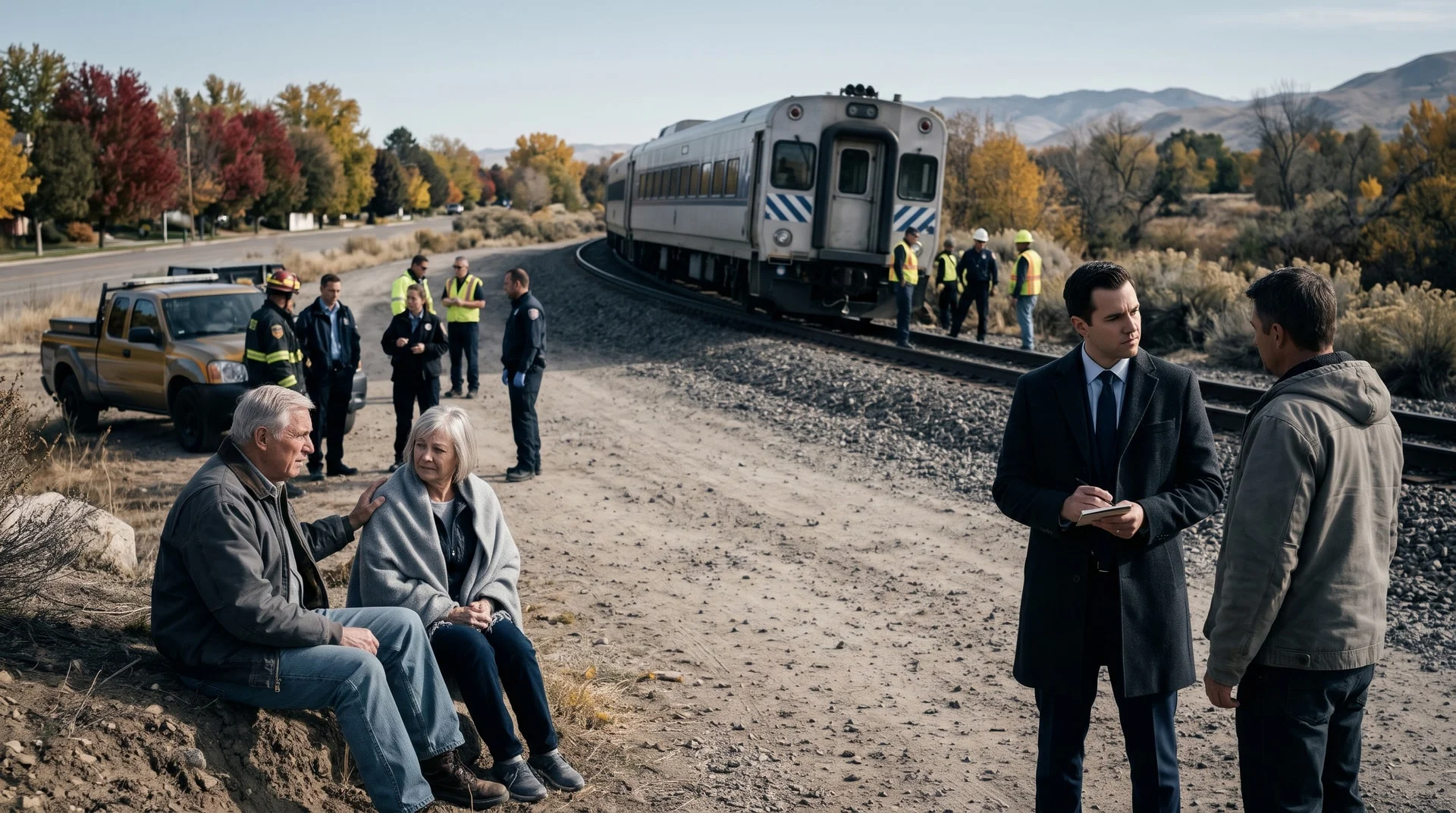
Injuries Often Seen in Train Collision Claims
Train collisions often cause severe harm because of the force involved. Many victims need immediate medical attention, followed by surgery, hospitalization, rehabilitation, and long-term care.
- Traumatic brain injuries: Head trauma can lead to cognitive problems, memory loss, and long-term disability.
- Spinal injuries: Back and neck trauma may result in chronic pain, nerve damage, or permanent impairment.
- Broken bones: Fractures are common in high-impact train collisions and may require surgery and extended recovery.
- Crush injuries: Victims may suffer severe tissue damage, internal injury, or permanent loss of function.
- Internal bleeding and organ damage: These injuries can become life-threatening and often require emergency treatment.
- Severe lacerations: Deep cuts may lead to significant blood loss, nerve damage, scarring, or infection.
- Amputations: Some train accidents cause traumatic limb loss or injuries that later require surgical amputation.
- Fatal injuries: The most serious cases may support wrongful death claims on behalf of surviving family members.
The Law Offices of Matthew G. Gunn focus on serious and catastrophic injury matters, which aligns with the level of harm often seen in railroad cases.
Compensation We Can Fight for After a Serious Rail Injury

A serious train accident claim may involve both financial losses and the injury's broader personal impact. Our Boise train accident attorney carefully documents each category of damages, especially when insurers or defense attorneys dispute the long-term effects of the harm.
- Medical expenses: This can include emergency care, hospitalization, surgery, specialist treatment, medication, and follow-up appointments.
- Future medical bills: Serious injuries may require long-term treatment, rehabilitation, assistive devices, or in-home care.
- Lost wages: An injured person may recover income lost while unable to work after the accident.
- Reduced earning capacity: Some injuries affect the ability to return to the same job or earn the same income in the future.
- Rehabilitation costs: Physical therapy, occupational therapy, and other recovery-related services may form a substantial part of the claim.
- Out-of-pocket losses: You may also recover travel costs, household help, medical equipment, and other accident-related expenses.
- Property damage: A claim may include damage to a vehicle, bicycle, or other personal property involved in the collision.
- Pain and suffering: Idaho law allows recovery for physical pain and the broader human impact of a serious injury.
- Disability and loss of enjoyment of life: A severe train accident may affect mobility, independence, daily activities, and long-term quality of life.
- Emotional distress: Serious collisions can leave lasting psychological effects in addition to physical injuries.
- Wrongful death damages: When a family member dies in the crash, surviving relatives may have grounds to seek wrongful death compensation.
Idaho law also shapes the damages analysis. Idaho Code § 6-1603 places a statutory limit on non-economic damages in personal injury and death cases, subject to annual adjustment and potential exceptions.
Filing Deadlines for Train Accident Claims in Idaho
Deadlines can control the case. Idaho Code § 5-219 generally gives an injured person two years to file a personal injury claim and applies the same two-year period to wrongful death actions. Waiting too long can bar recovery, even where liability appears strong.
Idaho Code § 5-311 authorizes wrongful death claims by heirs or personal representatives when death is caused by the wrongful act or neglect of another. Some train accident cases may also involve added timing issues when a public entity is involved, or federal law affects the claim, which is why early review matters.
Steps You Should Take After an Idaho Train Accident
The first priority after a train accident is safety and medical care. After that, your next steps can affect both your health and any future injury claim.
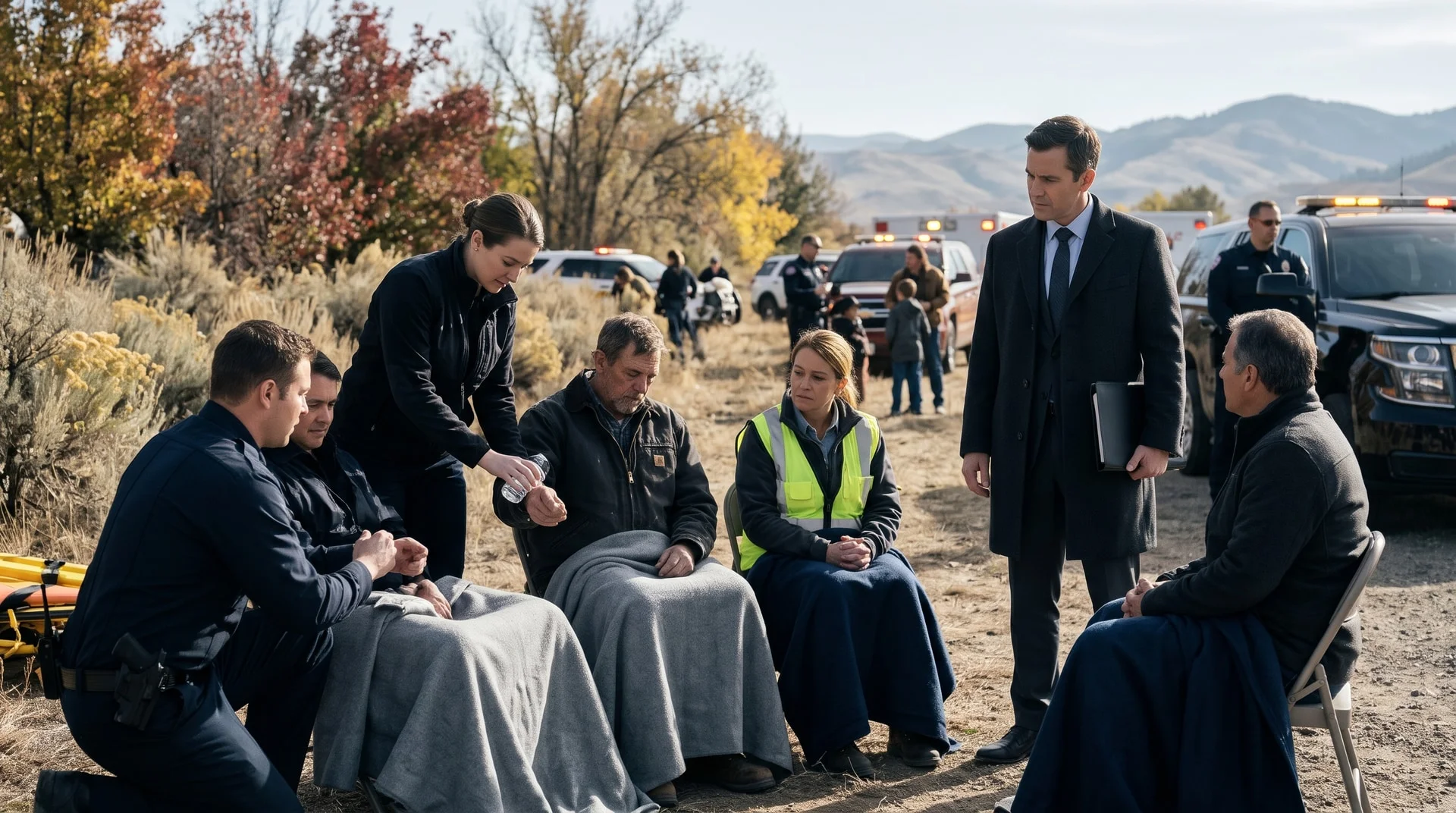
Get Medical Attention Right Away
Seek emergency care as soon as possible, even if the full extent of your injury isn't yet clear. Train collisions often cause injuries that become more obvious hours or days later, and early treatment also creates medical records that may matter in the claim.
Report the Accident
Call 911 and make sure law enforcement responds to the scene. If Idaho State Police investigate the crash, you may later obtain the crash report through the agency’s public records and crash report system.
Document the Scene If You Can
If you are physically able, take photographs of the crossing, warning signals, vehicle damage, debris, skid marks, visibility conditions, and visible injuries. Train accident cases often turn on crossing conditions and warning devices, so early scene evidence can matter.
Get Names of Witnesses
Witness accounts can become important if the railroad company or insurers dispute how the collision happened. Try to get names and contact information for anyone who saw the crash or the condition of the crossing.
Be Careful What You Say
Don't guess about fault at the scene, and be cautious when speaking with insurance companies or railroad representatives until you understand your legal position. Idaho law imposes duties on drivers at railroad crossings, and fault disputes can become central to the case.
Preserve Records and Receipts
Keep medical records, discharge papers, bills, repair estimates, wage-loss information, and any communication related to the accident. These materials can help show both liability and damages later.
Review the Case Early
Serious train accident claims can involve rail operators, contractors, public entities, and other parties, and Idaho filing deadlines may apply sooner than you expect. Our train accident attorney in Boise, ID, can review your case early to help preserve evidence and avoid timing problems.


-
Some collisions happen because warning lights, crossing gates, or other safety devices fail to operate as they should. When a warning system fails to activate properly or provide enough notice, the railroad company or another responsible party may face scrutiny.
-
Not every crossing has the same level of protection. Some cases involve claims that warnings were missing, poorly placed, hard to see, or inadequate for the conditions at that location.
-
When sight lines are blocked, drivers, cyclists, or pedestrians may have limited time to react. Vegetation, structures, rail equipment, or the crossing layout itself can reduce visibility and increase the risk of a serious collision.
-
Crossing surfaces, pavement markings, and surrounding conditions can affect safety. A neglected crossing may create hazards for drivers, bicyclists, or pedestrians and may support a claim based on unsafe maintenance.
-
Some cases raise questions about train speed, crew response, signaling, or communication failures. The evidence may show that the operation of the train itself contributed to the collision or made the outcome more severe.
-
A serious train accident may also involve failures tied to inspection, repair, or compliance with safety requirements. When maintenance records or operational records point to preventable problems, those facts can become central to the claim.
Review What the Case May Be Worth
- Request a Free Case Evaluation
- 208-472-8834Available 24/7
Why Choose the Law Offices of Matthew G. Gunn
At the Law Offices of Matthew G. Gunn, we handle serious injury cases with close attention to the facts, damages, and strategy needed to move the claim forward.
That combination matters in a train accident case where liability is often disputed, multiple parties may be involved, and the financial stakes can be substantial.
-
Matthew Gunn works directly with clients rather than passing cases off to a case manager, allowing closer communication and more consistent case handling.
-
Our law firm limits the number of matters it accepts so each case can receive substantial time, preparation, and strategic attention.
-
The practice is built around catastrophic and high-value injury claims rather than routine, high-volume accident intake.
-
Every case is developed with careful attention to evidence, damages, and litigation strategy when a settlement does not reflect the harm done.
Meet Matthew G. Gunn
After earning his B.A. from the University of Arkansas and his J.D. from Columbia University, Matthew G. Gunn clerked for United States District Court Judge Justin Quackenbush and Ninth Circuit Judge Stephen Trott, and he later founded the Law Offices of Matthew G. Gunn. Recognition includes Mountain States Super Lawyers, Idaho Business Review Leaders in Law, published legal writing in The Advocate, and speaking roles at Idaho legal conferences.
Statewide media have covered his arguments before the Idaho Supreme Court. Clients get substantial legal experience, direct attorney involvement, and a practice built around serious cases that require close attention and careful preparation.



What Clients Say About Working with Matthew Gunn
- 2710 Sunrise Rim Rd,
Ste.100, Boise, ID 83705 - 208-472-8834Available 24/7
Serving Accident Victims in Boise and the Treasure Valley
The Law Offices of Matthew G. Gunn focus on Boise and the Treasure Valley, including Ada and Canyon Counties, while remaining available for strong cases across Idaho.

Bring the Claim to the Right Lawyer
Request a free case review if a train accident left you or your family facing severe injuries, major losses, or unanswered questions.